National Day 2026

News

Taiwan, Philippines forge partnership in supply chain and green manufacturing

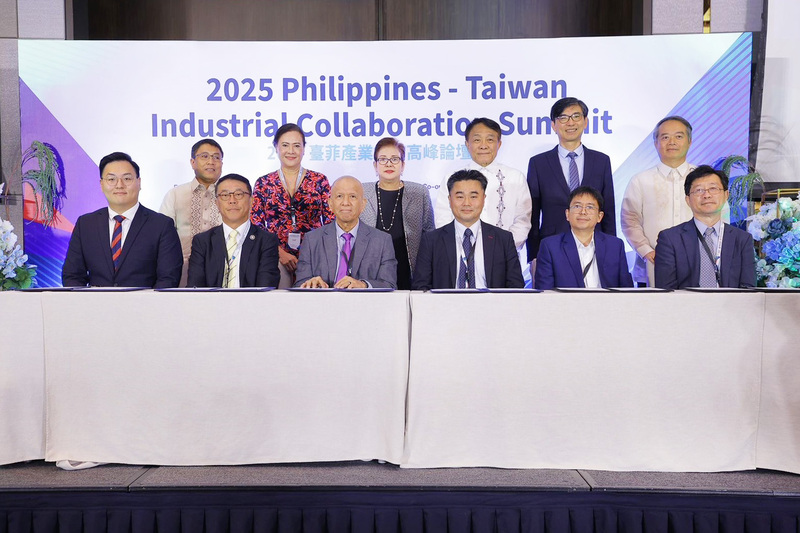
Taiwan has signed a memorandum of understanding (MOU) with the Philippines on supply chain connectivity, paving the way for two additional MOUs that aim to promote and expand future collaboration. On Wednesday in Manila, the Industrial Development Administration (IDA) and the Chinese National Federation of Industries (CNFI) co-hosted the 9th Philippines-Taiwan Industrial Collaboration Summit with the Philippine Chamber of Commerce and Industry (PCCI). The event saw the Taiwan Electrical and Electronic Manufacturers’ Association (TEEMA) and the Semiconductor and Electronics Industries in the Philippines (SEIPI) sign an MOU to jointly advance green manufacturing and sustainable supply chain development. The IDA said this year’s summit focused on “AI Innovative Applications,” featuring keynote speeches by Taiwanese experts on information electronics, cold chain logistics, emerging technologies, and industrial zones, exploring paths for digital transformation and industrial upgrading. For the first time, TEEMA and SEIPI also held an industry matchmaking session, bringing together 20 leading companies from Taiwan and the Philippines for one-on-one meetings on electronic components, system integration, and AIoT applications. The goal, officials said, was to build concrete and long-term business partnerships. According to the IDA, the agreements will strengthen bilateral cooperation in green manufacturing, cold chain technology, and academic exchanges.
Austrian delegation meets Legislative Speaker Han, highlights need for defense spending

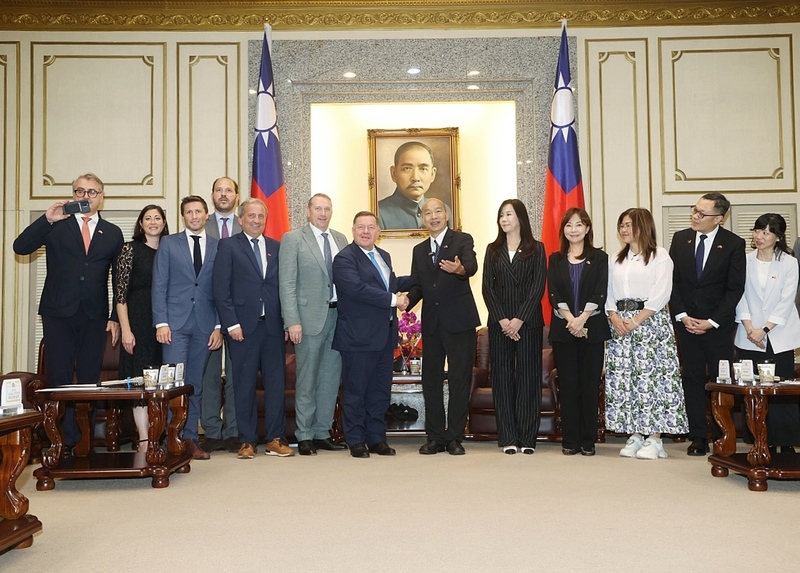
Legislative Speaker Han Kuo-yu (韓國瑜) met on Wednesday in Taipei with Austria-Taiwan Friendship Group Chair Werner Amon and a cross-party delegation of Austrian lawmakers. Amon said authoritarian regimes have become increasingly unpredictable, and that with Taiwan’s proximity to the People’s Republic of China, boosting defense budgets is necessary for deterring hostile actions. Han was joined by KMT Legislator Wan Mei-ling (萬美玲), DPP Legislator Kuo Yu-ching (郭昱晴), TPP Legislator Mai Yu-chen (麥玉珍), and Deputy Foreign Minister Chen Ming-chi (陳明祺). In welcoming remarks, Han noted this was Amon’s ninth visit to Taiwan, while many other members were visiting for the first time. He said he hoped the trip would leave delegates with a lasting impression of Taiwan’s warmth. Han highlighted that Austria is Taiwan's 10th-largest trading partner in Europe, a position he considers relatively low. He expressed hopes for increased bilateral economic engagement, mentioning not only opportunities in the semiconductor industry but also in traditional sectors such as textiles, bicycles, and sporting goods. Amon agreed that stronger trade, cultural, and education ties are needed, and said a reciprocal driver’s license issue could be settled by year’s end. He added that shared values of democracy, rule of law, and human rights make cooperation among like-minded nations vital in the face of threats, including Russia’s war in Ukraine.

GCTF meeting focus on cybersecurity and energy resilience in 2026

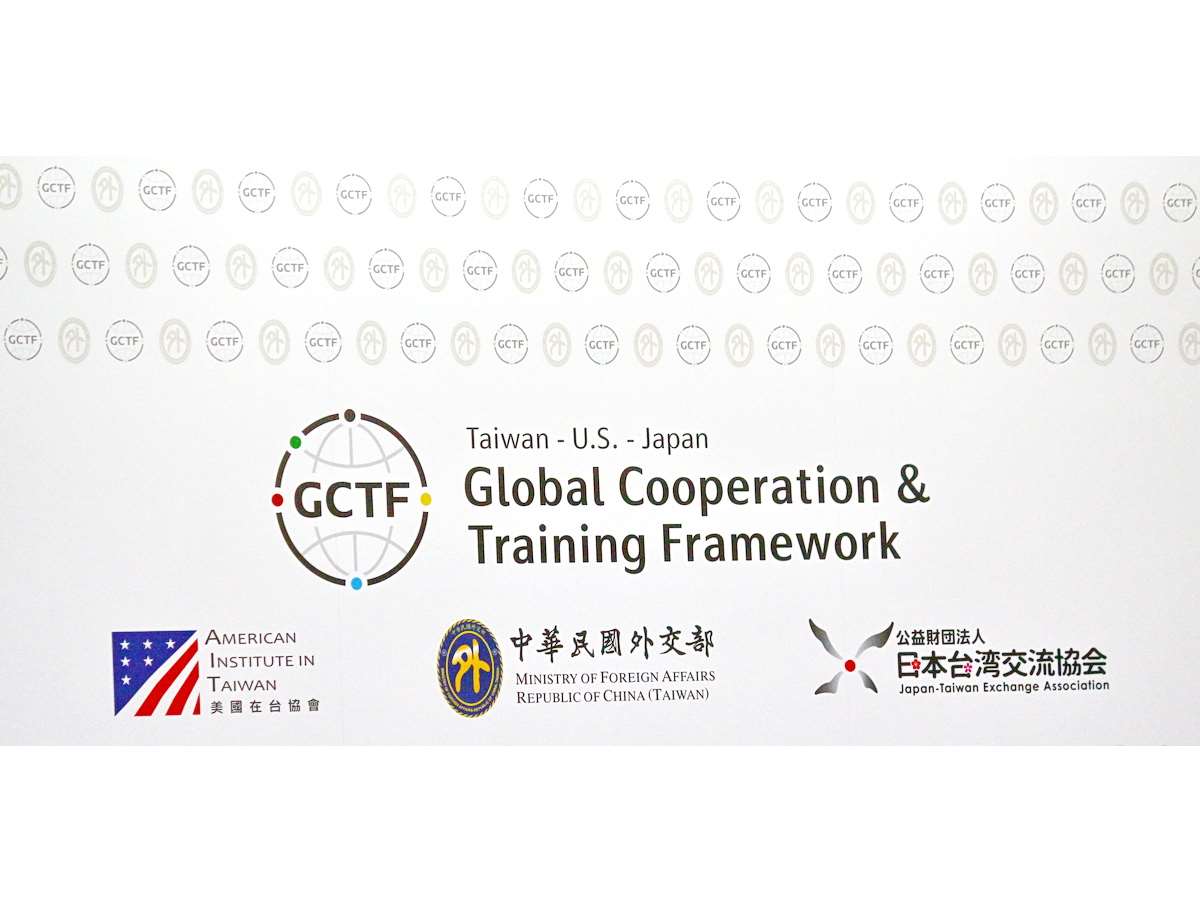
Taiwan’s Foreign Ministry announced on Tuesday that the 2026 Global Cooperation and Training Framework (GCTF) will prioritize communication resilience, cybersecurity for critical infrastructure, transnational repression, and energy resilience. The plan was presented after member countries held the annual joint committee meeting in Taipei that day. The ministry stated the meeting brought together representatives from the United States, Japan, Australia, and Canada, with the U.K. once again participating as an observer. This year’s session was led by the Japan-Taiwan Exchange Association in coordination with the Foreign Ministry, the American Institute in Taiwan (AIT), the Australian Office, and the Canadian Trade Office in Taipei. Attendees included North American Affairs Director-General Wang Liang-yu (王良玉), AIT Deputy Director Karin Lang, Australian Office Deputy Representative Dan Stuart, Japan-Taiwan Exchange Association Director Kakizawa Michi, and Canadian Trade Office Political and Public Affairs Director Charles Hudon. The Foreign Ministry said discussions reviewed this year’s achievements and looked into future overseas “franchise events” and domestic programs. Plans will aim to improve evaluation methods, increase youth participation, and strengthen international ties. Since its establishment in 2015, the GCTF has held more than 90 activities with over 10,000 participants from 135 countries, becoming a major platform for global cooperation.

First Taiwanese foreign envoy speaks at Poland’s top security forum

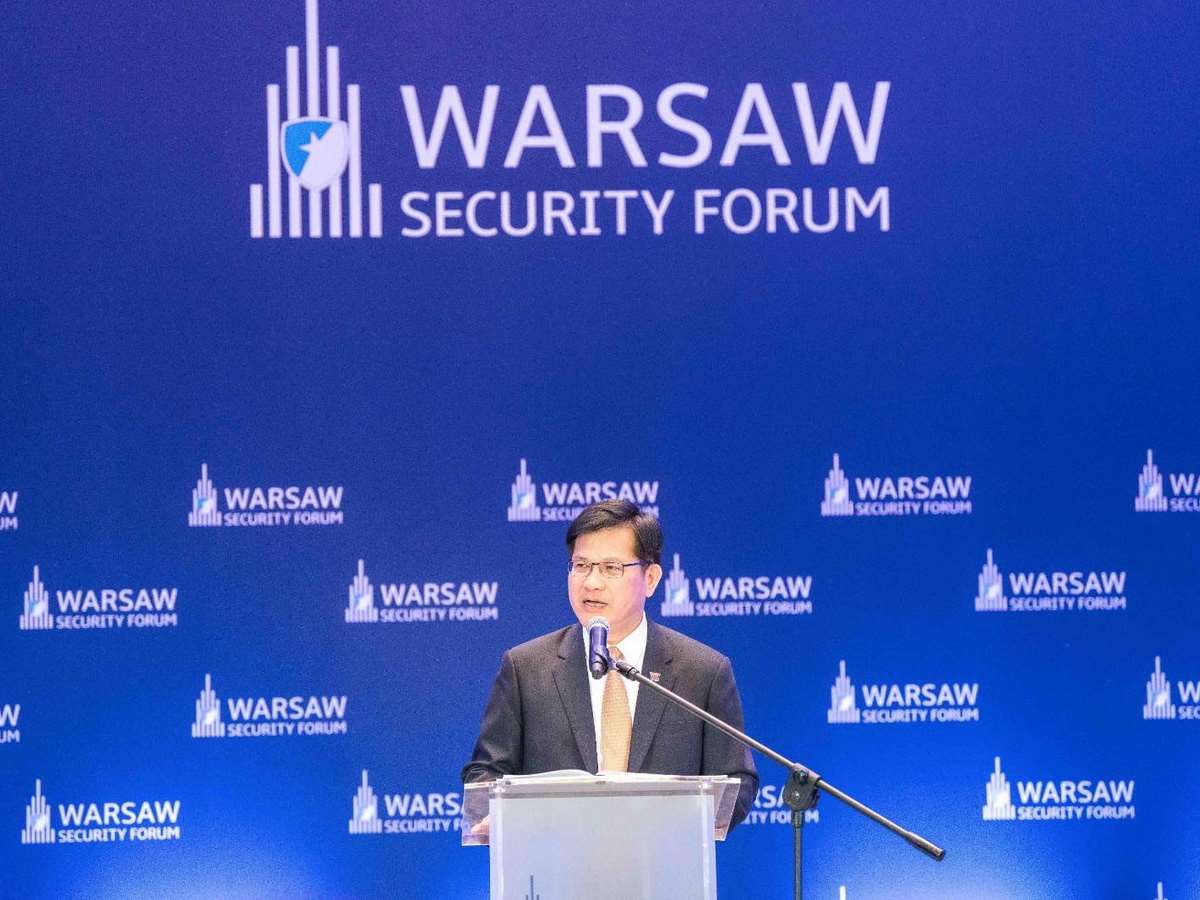
Taiwan’s Foreign Minister Lin Chia-lung (林佳龍) delivered a speech at the 12th Warsaw Security Forum on Monday, stressing that Taiwan, with its technological strength and democratic values, is a reliable and trusted partner for Europe and the wider world. Organized by Poland’s Casimir Pulaski Foundation, the forum is regarded as one of Europe’s leading annual security conferences. Since its launch in 2014, the Warsaw Security Forum has hosted senior officials, defense experts, and business leaders from around the globe. This year marked the first time that a Taiwanese foreign minister had been invited to address the event, underscoring Taiwan’s growing visibility in European strategic discussions. In his keynote, titled “Reinvention of the Global Democratic Supply Chain,” Lin identified four major disruptions to global supply chains in recent years: the COVID-19 pandemic, the Russia–Ukraine war and other regional conflicts, the alignment of authoritarian regimes, and the rise of nationalism and deglobalization. He said these challenges highlight the urgent need for like-minded democracies to work together to strengthen and rebuild global supply chains based on shared values and trust. “Taiwan can help amplify Europe's industrial might and remarkable capability for innovation. It is high time for Europe to stand with Taiwan to forge a robust coalition for our shared values and to halt the expansion of authoritarian regimes. Taiwan is ready to work with Europe,” Lin said. Lin added that Taiwan serves as a hub of the global technology ecosystem and has become a driving force in advancing innovation in the AI era. He said Taiwan will pursue more pragmatic and forward-looking policies to encourage local companies to expand into European markets. At the same time, he urged Europe to increase its investment in Taiwan, calling on partners to “chip in with Taiwan” to jointly promote AI innovation and ensure resilient supply chains.