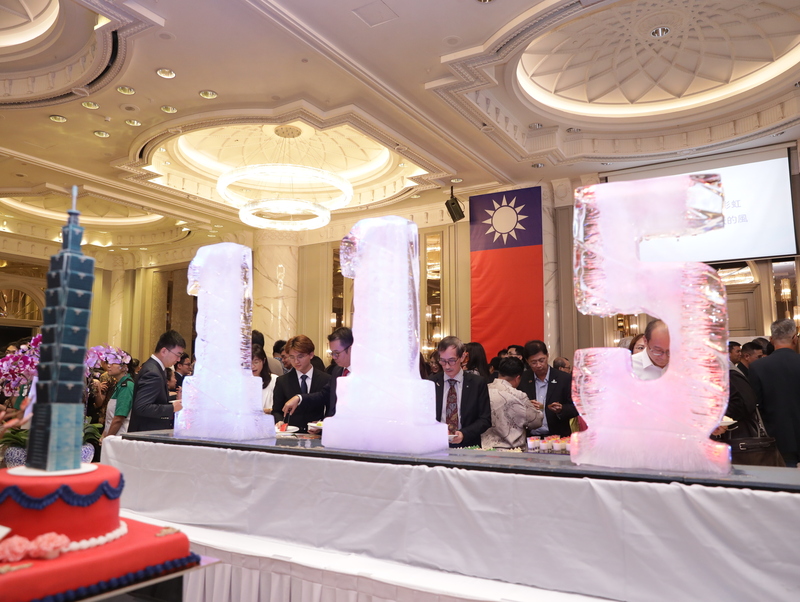
This past week has seen Double Ten Day celebrated all around the world. Taiwan’s South African mission and the Taipei Economic and Cultural Offices in Malaysia, South Korea, and Massachusetts in the United States all hosted Double Ten Day receptions featuring food, performances, and guest speakers.
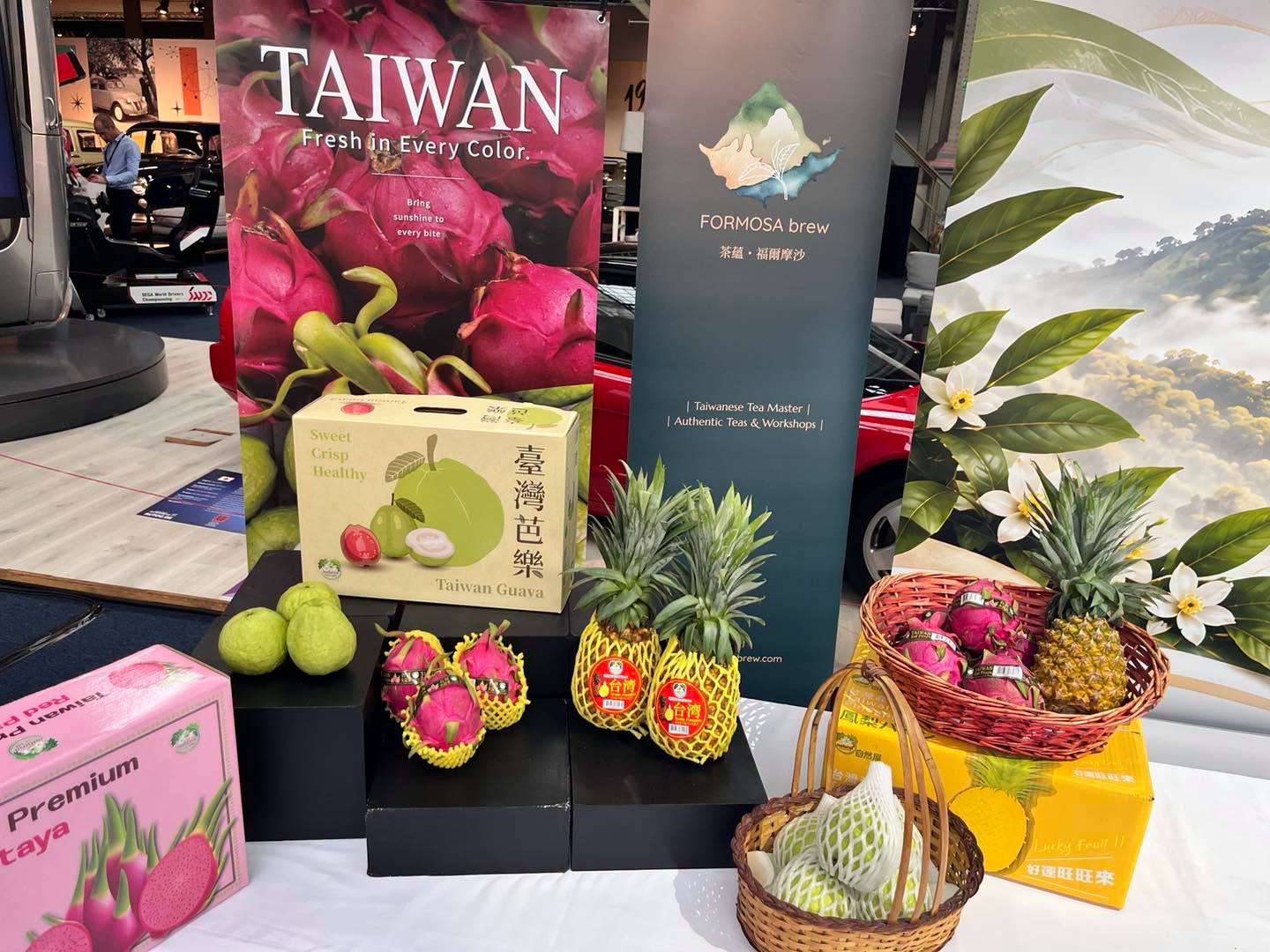
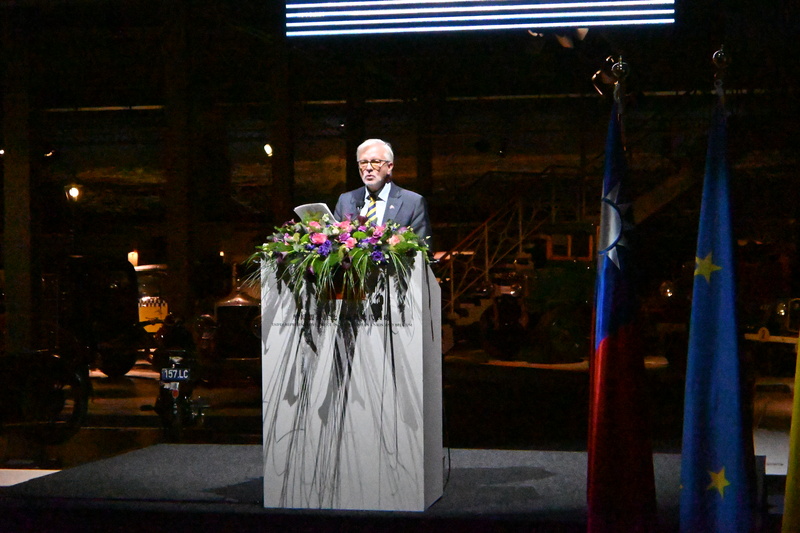
A number of political figures, diplomatic envoys, and business representatives were invited to Taiwan’s mission in South Africa on October 5 for the Double Ten Day festivities, which included a technology showcase area. Representative to South Africa Oliver Liao (廖文哲) cited Taiwan's dominance in advanced chips and AI servers as the reason Taiwan Strait stability matters globally, rejected the reading of UN Resolution 2758 as excluding Taiwan, and outlined a four-pillar cooperation model for improving bilateral relations.
The Boston TECO also held its Double Ten Day event on Monday, where several dignitaries spoke to thank Taiwanese immigrants for their contributions in technology and other fields, stressing that Taiwan is not only a trustworthy trading partner of the U.S. in areas such as advanced chips and AI but also a cornerstone of global peace and stability. The TECO’s Acting Director-General Huang Yao-liang (黃耀良) stressed that Taiwan will continue to work with like-minded partners.
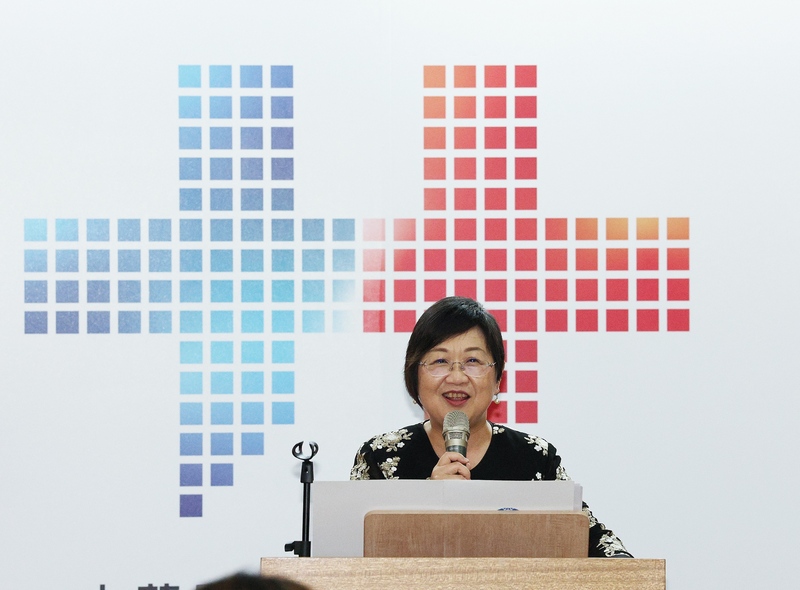
At the reception in Kuala Lumpur on October 6, Taiwan’s representative to Malaysia Lien Yu-ping (連玉蘋) spoke on her aspirations to upgrade the Taiwan-Malaysia Bilateral Investment Agreement (BIA) to give investors better legal protection and a better investment environment, laying the groundwork for more Taiwanese supply chain firms to set up operations in Malaysia. Trade between the two countries rose about 40% from January to August, with Malaysian exports to Taiwan up 75.5%; Taiwan is Malaysia's fourth-largest trading partner and third-largest import source.
Finally, the Busan office’s October 6 reception saw TECO Director Kuo Cheng-kai (郭承凱) highlight Taiwan-South Korea complementarity in AI and semiconductors: bilateral trade reached US$88.07 billion through August (up 56.65%), and high-bandwidth memory made up US$40.3 billion of Korea's US$42.2 billion surplus. He also noted the 60th anniversary of the Busan-Kaohsiung sister-city tie and over 605,000 Taiwanese visitors to Busan from January to July, and expressed hope for deeper exchanges to share the AI boom's benefits.